- Oct 10, 2025
5 Hygge Principles That Will Change the Way You Style Your Space and Yourself
- admin
- Wellness & Lifestyle, Personal Style, Home Style
- 0 comments
There’s something beautiful about stepping into a space designed for your soul. Every element whispers “welcome home,” and shoulders relax. This isn’t magic; it’s hygge, the Danish lifestyle philosophy quietly transforming interior design and personal style.
Hygge is a timeless way of living that reflects our true selves through the spaces we create and the way we present ourselves. Embracing hygge means more than just decorating or dressing; it’s about creating environments and expressions that foster comfort and a sense of belonging.
The transformation begins with recognizing that genuine style, whether in your living space or wardrobe, isn’t about perfection or trend-following. Instead, it’s about aligning your inner self with your outward expression. Hygge offers five basic principles that serve as a subtle guide for this journey, each one building on the previous to create a lifestyle that is both richly comfortable and authentically yours.

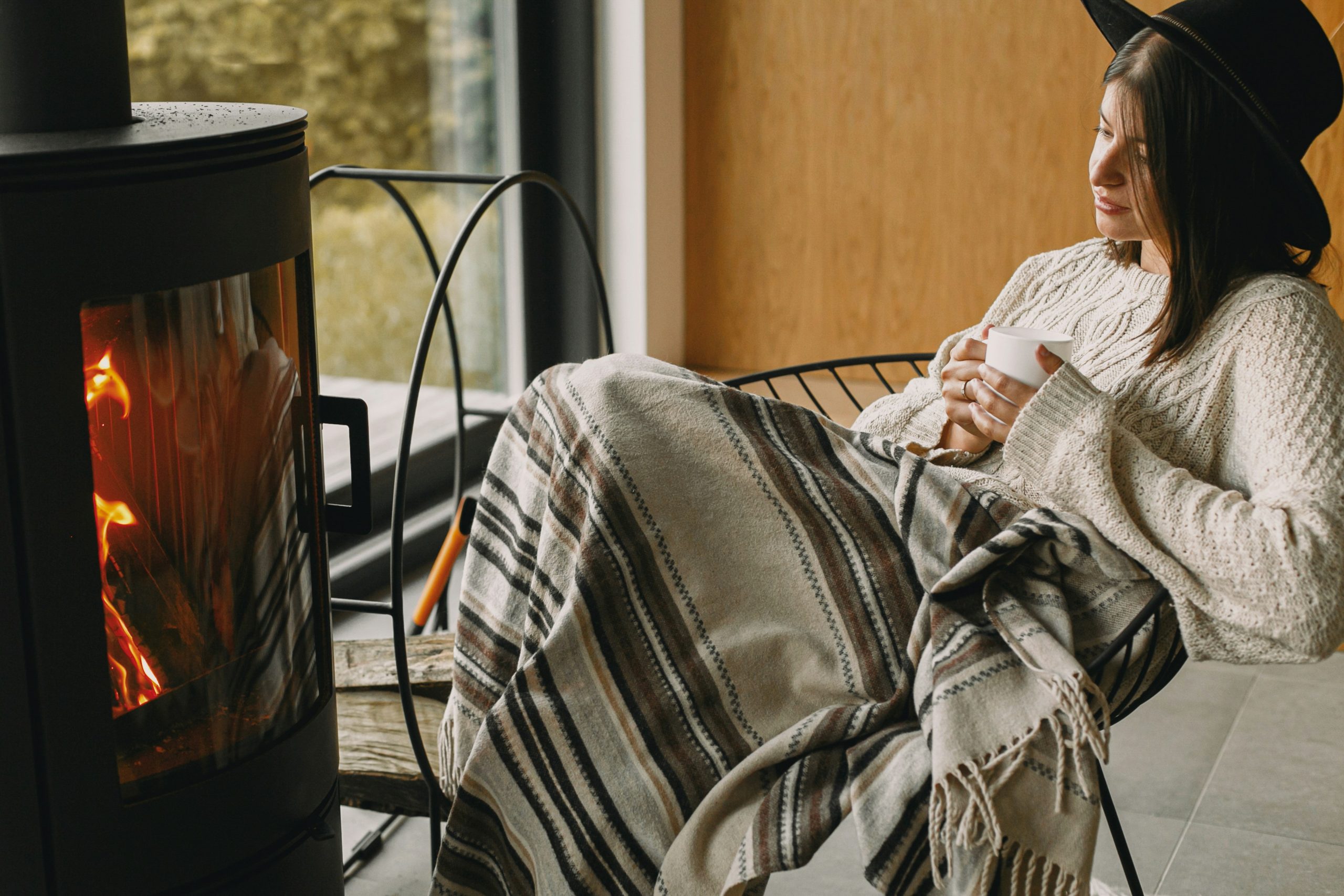
Principle 1: Create Sanctuary Spaces That Reflect Your Authentic Self
Hygge living begins with seeing your home as your greatest ally in self-expression. It challenges the idea that stylish spaces need big budgets or pros, instead urging you to curate your own contentment through intentional, not costly, choices.
Think about how you feel when entering your bedroom after a long day. Does it instantly feel safe and relaxing, or just another room with your bed? The hygge approach starts with this question: What does comfort look like for your soul?
Your authentic self may seek the calming influence of earth tones and natural textures, or perhaps you find serenity in the minimal beauty of neutral colours with gentle accents of colour. The secret isn’t about adhering to rigid rules but about noticing the environments that naturally help you relax. This concept also perfectly applies to personal style; the most genuine clothes are not necessarily the ones you see in fashion magazines, but the items that resonate with your internal feelings of comfort and confidence.
Transformation begins when you see every corner as an opportunity for self-reflection. A reading nook isn’t just furniture; it shows you value quiet contemplation. Choosing handwritten letters over mass-produced art shows your appreciation for personal connection over commercial appeal.
Principle 2: Embrace Comfort as Your Ultimate Style Statement
There’s a hidden idea in hygge: comfort is not the enemy of style but its true expression. It challenges the outdated view that looking good requires suffering or sacrificing livability. Hygge shows that real sophistication comes when form and function unite. Imagine entering a living room where every surface invites touch, and the furniture welcomes you rather than demanding careful preservation. This philosophy also reshapes personal style, favouring fabrics that breathe, moving silhouettes, and colours that make you feel radiant. When comfort guides you, confidence becomes your most attractive accessory.
The magic lies in learning to distinguish between lazy comfort and intentional comfort. Hygge comfort is curated with soft fabrics for texture and durability, furniture for beauty and functionality, and clothing for style and wearability. These choices turn daily decisions into acts of self-care and wisdom.
Implement a comfort-first design and start with a “comfort audit” of your spaces and wardrobe. Notice items that make you feel at ease and those that require adjustments. For example, a sofa that appears stylish but makes you sit stiffly, or shoes that look good in photos but are uncomfortable to wear. These are chances for hygge-inspired upgrades that blend style and comfort.
Principle 3: Incorporate Natural Textures and Warm Lighting for Soul-Deep Connection
The third principle of hygge design acknowledges that people have an innate desire to connect with nature, even in indoor spaces. It’s not about cramming every space with plants or turning your house into a rustic cabin, but about carefully adding elements that evoke our essential bond with nature’s patterns and textures.
Natural materials have a unique ability to age beautifully, gaining character instead of deteriorating. For instance, a wooden dining table accumulates gentle marks from family meals and late-night chats, becoming more charming and meaningful over time. Linen curtains, after washing, develop a soft, relaxed elegance that synthetic fabrics can’t replicate. These materials stand out not just visually but also through their tactile qualities, subtly enhancing our everyday experience of space.
The interplay between natural textures and warm lighting creates environments that influence our psychological state through sensory experience. Cool, harsh lighting can make even the most comfortable furniture feel unwelcoming, while warm, layered lighting transforms spaces into havens of tranquillity.
This principle extends into personal style, where natural fibre clothing not only feels better against the skin but also develops a unique character through wear.
Hygge lighting involves layering ambient, task, and accent lights to modify a room’s mood throughout the day. A single overhead light has a different impact on ambiance than a mix of lamps, candles, and natural light. This approach enables you to tailor your environment to meet various emotional needs, from energizing workspaces to relaxing atmospheres.
Principle 4: Curate Meaningful Objects Over Trendy Acquisitions
The fourth hygge principle challenges modern culture by encouraging us to slow down and reevaluate the impact of possessions on our well-being. It’s not about minimalism but about discerning objects that genuinely add value from those that merely fill space.
The difference between meaningful objects and trendy acquisitions becomes clear when you consider your emotional response to possessions. A vintage scarf inherited from a beloved grandmother carries energy and history unmatched by mass-produced items. A handmade ceramic mug turns your morning coffee into a moment of appreciation for craftsmanship. These items do more than serve a function; they connect us to stories, relationships, and values we cherish.
This principle involves developing “acquisition mindfulness”, pausing before purchases to consider if an item will still bring joy in five years or if it’s just attractive because it’s new. This helps build meaningful collections and encourages seeing beauty in imperfection and authenticity, such as handmade pottery, vintage furniture, or unique clothing, which add soul in ways that mass-produced items can’t.
View possessions as a carefully curated collection, not random clutter. This change encourages thoughtful choices and satisfaction with current belongings. Create vignettes to appreciate meaningful objects and organize your wardrobe for easy access and maintenance.
Principle 5: Develop Personal Rituals That Celebrate the Present Moment
The final principle of hygge transformation highlights the power of intentional rituals to turn ordinary moments into meaningful experiences. These aren’t elaborate ceremonies but simple, consistent practices that help us appreciate the present.
Hygge rituals turn routine activities into mindful self-care moments. The most powerful rituals are those that engage multiple senses and connect you with your values. Changing into comfortable clothes signals the end of work and the start of personal time. Tidying a small area before bed provides physical order and mental closure.
Focus on developing nourishing rituals, not obligatory ones. Aim to create positive ties with your space and possessions without adding routine pressure. Start with one simple practice, letting it become natural before adding more. Observe how these rituals influence your relationship with your environment and self-presentation.

Living the Daily Hygge Transformation
The true power of these five hygge principles emerges through their integration into a cohesive lifestyle. Creating authentic spaces, embracing comfort as sophistication, natural elements, meaningful possessions, and present-moment rituals reinforce each other, transforming your daily experience.
This integration takes time and shouldn’t be rushed. The hygge method promotes gradual, sustainable change, with each small step building momentum toward authentic living. Start by noticing which spaces in your home naturally relax you, then enhance them with softer lighting, comfy seats, or meaningful objects reflecting your story.
The transformation affects how you move through the world. When your home reflects your authentic self, you carry that confidence elsewhere. When your style matches your comfort and values, you present yourself with ease that others find attractive and inspiring.
Remember that hygge transformation isn’t about achieving a specific look but about creating harmony between your inner world and outer expression. Your hygge-inspired spaces and style will be unique, reflecting your personality, preferences, and circumstances while embodying comfort, authenticity, and intentional living. As you apply these principles, notice subtle changes: how lighting affects your mood, natural textures invite interaction, and meaningful objects spark positive emotions. These observations guide your ongoing transformation, helping you make choices that support your well-being and authentic self. The journey to hygge living recognizes that everyone deserves beauty, comfort, and meaning in their spaces and personal style.