- Oct 31, 2025
The Hidden Link Between Your Wardrobe and Winter Mood
- admin
- Personal Style
- 0 comments
Have you noticed how slipping into your favourite sweater instantly lifts your mood on a gray winter morning? That feeling is rooted in the deep psychological link between what we wear and how we feel, especially during darker months when our mental state seeks warmth and comfort.
Our clothing choices impact seasonal emotional health more than we realize. While many see winter wardrobe as just functional against cold, those who understand intentional dressing use it as a tool to maintain mental balance and a positive mindset amid harsh outside conditions.
This connection is crucial in winter when shorter days and longer nights can make us seek joy, comfort, and self-expression. Your wardrobe isn’t just about protection from the elements, it’s a daily self-care ritual and personal armor that can boost your spirit or make you feel disconnected from your confident self.
The Psychology Behind Winter Wardrobe Choices
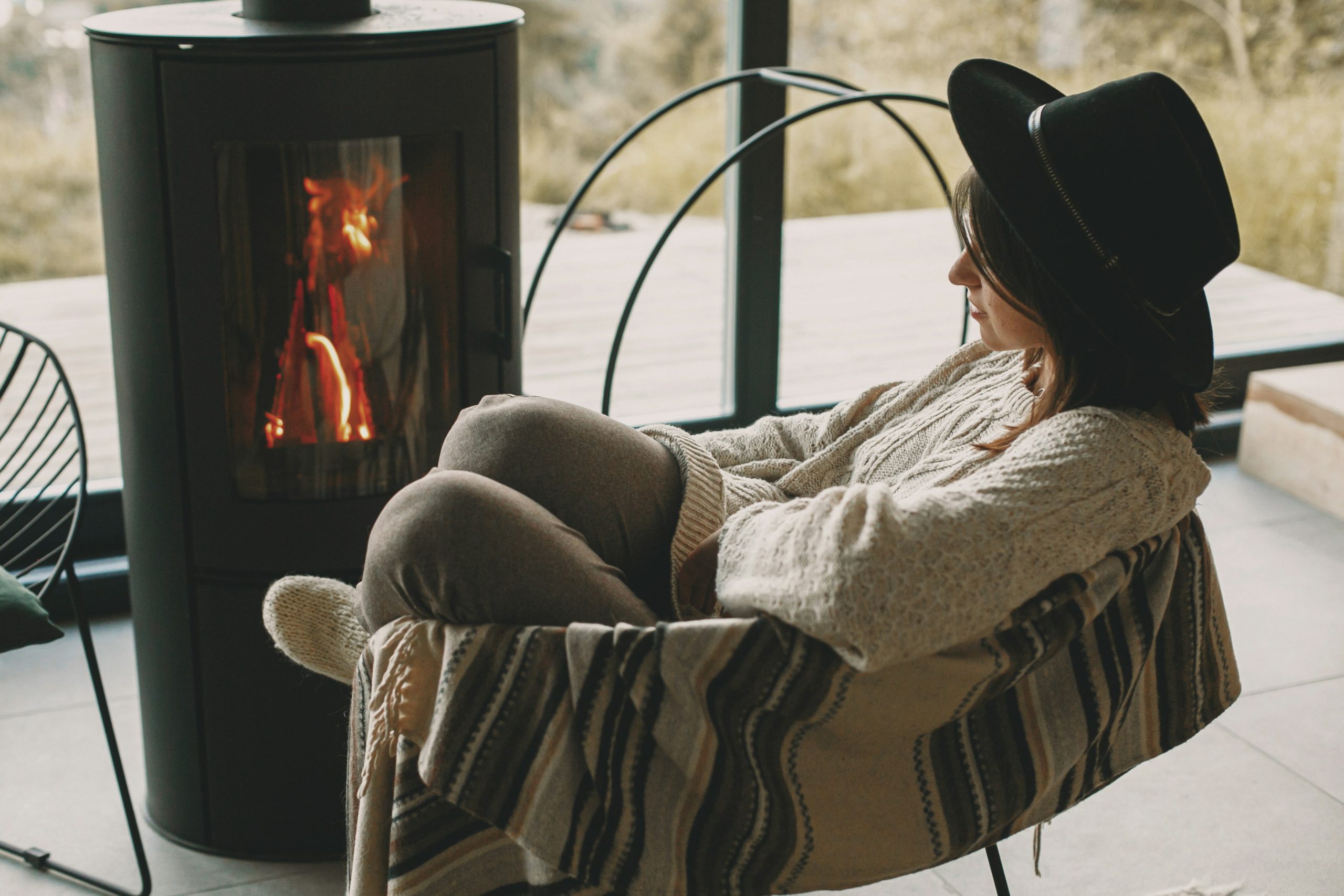
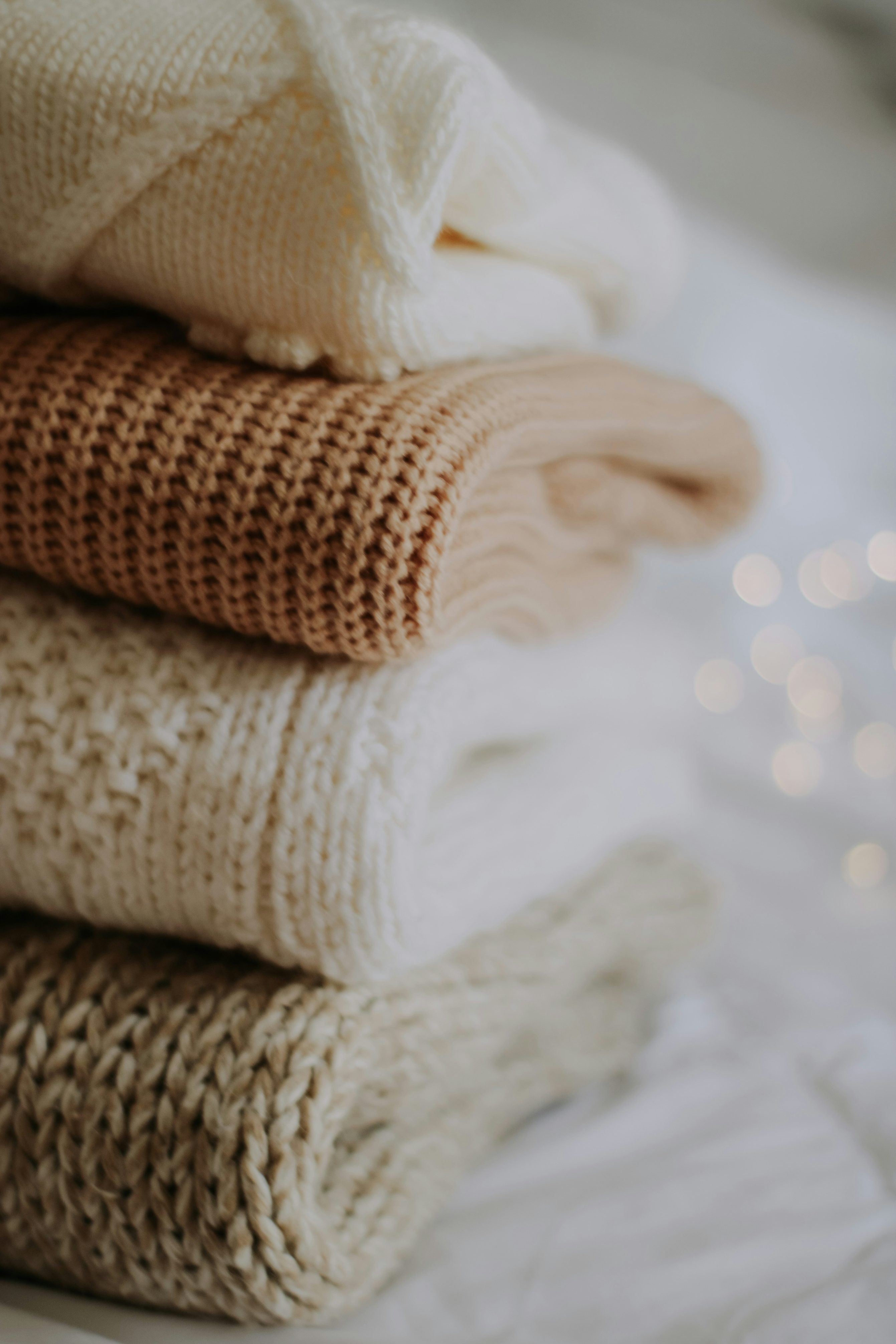
As temperatures start to drop and daylight hours become shorter, our clothing becomes a bridge between our inner emotional needs and the external world. The psychology of winter dressing reveals how our subconscious mind craves textures, colours, and silhouettes that provide not just physical warmth, but emotional comfort and psychological grounding.
The clothes we wear influence our psychological state and behaviour. During winter months, this phenomenon becomes amplified as we spend more time indoors, more aware of our clothing choices throughout the day. A soft, well-chosen sweater doesn’t just keep us warm; it can serve as a constant, gentle reminder that we deserve comfort and care, especially during challenging seasons.
Colour Psychology During Darker Months
The colours we surround ourselves with during winter carry extraordinary power to influence our mood and energy levels, particularly when natural light becomes scarce and our environment shifts toward muted, neutral tones. Understanding how different hues affect our psychological state allows us to curate a winter wardrobe that actively supports our emotional wellness rather than simply reflecting the season’s inherent darkness.

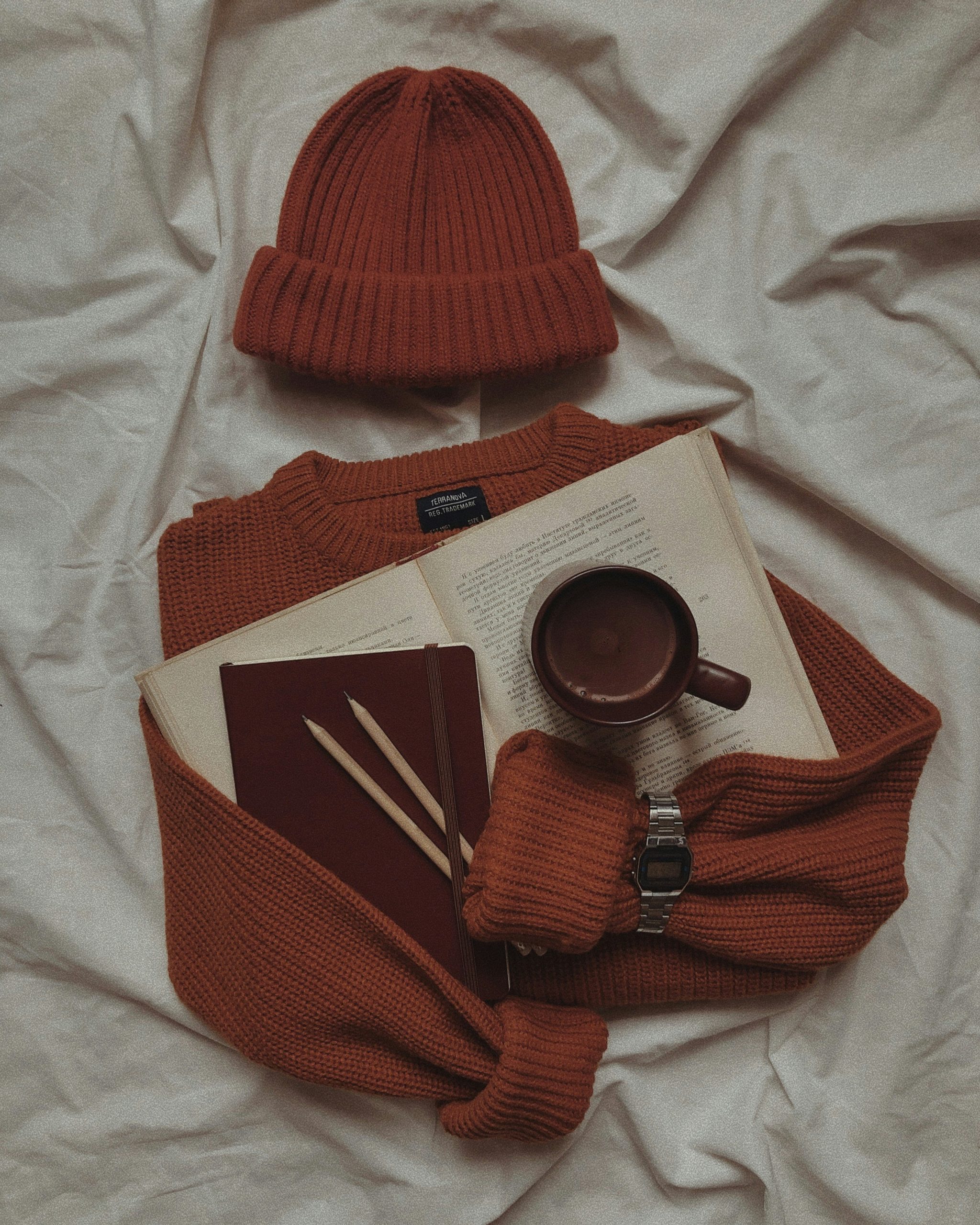
Warm colours like burgundy, orange, yellow, and terracotta symbolize warmth and vitality during dormant months. They not only boost vibrancy but also trigger psychological responses to counteract the lethargy and melancholy of shorter days. Wearing warm tones mimics the effects of sunlight and fire, uplifting one’s mood.
Even the strategic use of neutral colours can improve our emotional well-being when chosen with intention. A luxurious cashmere piece or a perfectly structured gray coat becomes a canvas for our other choices, providing the psychological comfort of simplicity and elegance. These neutrals create space for our authentic selves to shine through without overwhelming our senses during a season when we may already feel emotionally saturated.
The key is balancing darker colours with intention. A charcoal wool dress with warm accessories adds depth and warmth, creating a palette that satisfies both aesthetic and emotional needs during tough months.
Texture as Comfort and Confidence Builder
Texture in winter dressing significantly influences our emotional well-being, affecting comfort, confidence, and overall mood. Fabrics like cashmere, wool, silk, and cotton not only provide physical comfort but also offer tactile reassurance, serving as a gentle reminder of self-care. Running your hand over a knit sweater or silk against your skin acts as a form of self-soothing, grounding you and reinforcing your worth.
Even the sound of certain fabrics can influence our mood. The gentle rustle of a silk scarf, the weight of a wool coat, or the whisper of cashmere creates a comforting auditory landscape. These sensations accumulate, supporting emotional well-being.
Practical Strategies for Seasonal Style Transitions
Transitioning your wardrobe for winter demands a thoughtful approach, balancing practical cold-weather needs and psychological comfort. Successful seasonal changes happen gradually, helping you find what suits your lifestyle without the overwhelm of big wardrobe overhauls.
1. Identify the pieces in your wardrobe that make you feel confident and comfortable. These items form the foundation of your winter wardrobe, helping to maintain your identity as the seasons change.
2. Ask which colours make you feel vibrant under limited light and which textures offer comfort during indoor days. Use these insights for seasonal additions and avoid unhelpful purchases.
3. Choose base, middle, and outer layers that work together and provide flexibility for various environments and activities. For example, a silk camisole, cashmere cardigan, and wool coat offer warmth and style, allowing you to adjust your comfort throughout the day.
4. Choose accessories that bring you joy and reflect your authentic style, as these small touches can significantly impact your mood and confidence throughout the season.
Consider: How would it feel to see your wardrobe as a tool for emotional wellness instead of just clothes? How might your daily experience change if each piece you wore was selected for its support of your mood, confidence, and authentic self-expression? These questions can transform not just your wardrobe but your winter experience and how you create a cozy, intentional life.