- Sep 19, 2025
Your Best Learning Years Are Just Beginning!
- admin
- Wellness & Lifestyle
- 0 comments
Imagine scrolling through social media, seeing friends in their twenties and thirties share their adventures, trying pottery, learning Spanish, or pursuing degrees. You might feel, ‘That ship has sailed for me.’ If you’re over 40, you’ve heard this more than once. But the truth is, that voice isn’t your wisdom; it’s decades of conditioning, unrelated to your current capacity or eagerness to learn.
The biggest surprise isn’t that women over 40 face challenges; it’s that society mostly creates these obstacles. This conditioning is so ingrained that many women don’t realize they’ve adopted limiting beliefs, confusing societal norms with their reality.
How Society Programmed Us to Stop
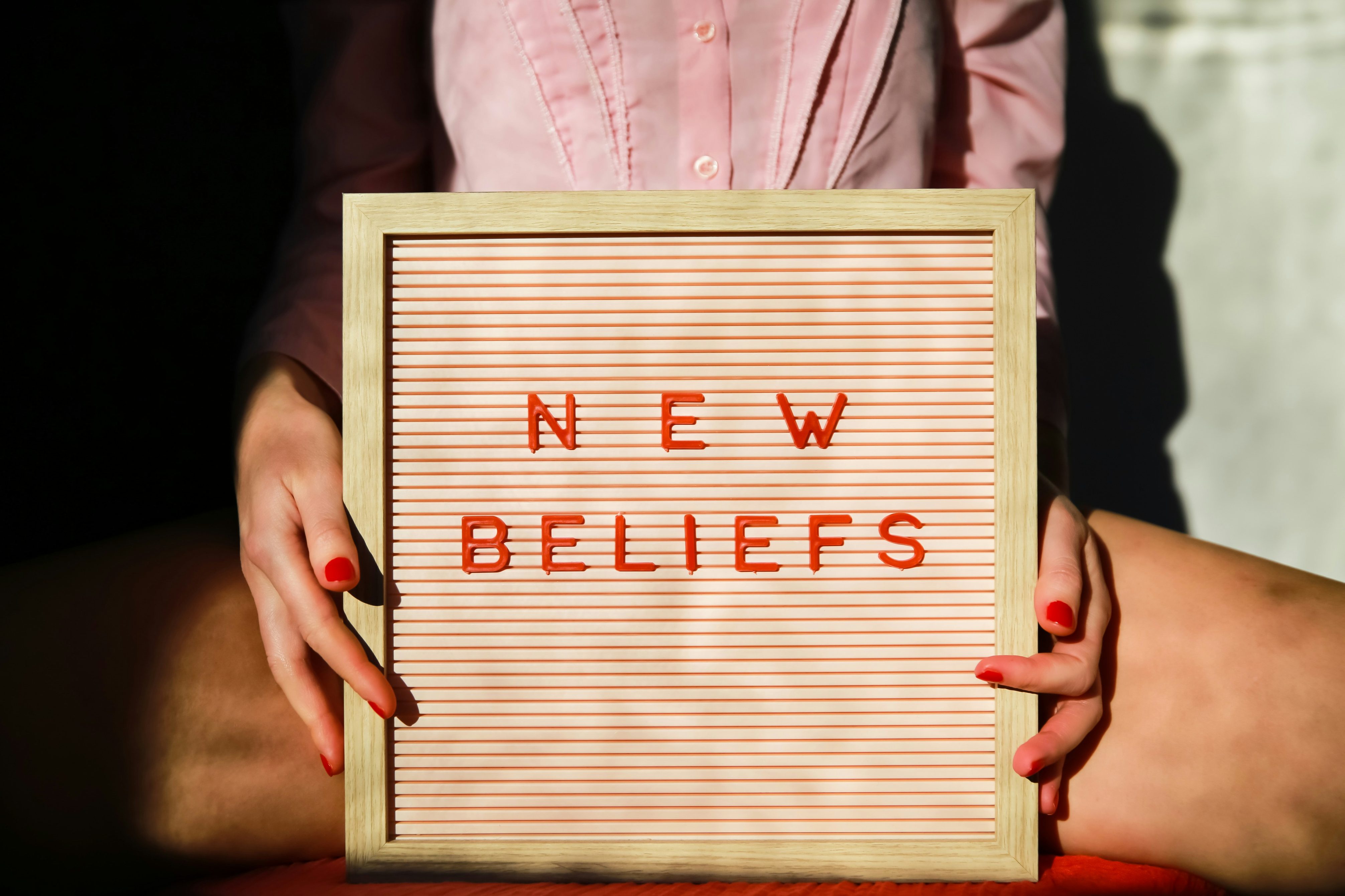
From childhood, women get subtle messages about when their “prime” begins and ends. While boys are encouraged to explore and take risks into their later years, girls learn early that opportunities close with age. This messaging becomes stronger after 40, creating an invisible barrier as real as a physical wall.
This programming appears in daily life: ads target young people, career stories feature twentysomethings, and educational institutions focus on traditional college ages. These reinforce the idea that learning after 40 is unusual.
The conditioning becomes self-perpetuating when women see peers accepting limitations, settling into routines, avoiding challenges, or dismissively saying they can’t learn new tricks. They unconsciously adopt this message, reinforcing limiting beliefs across generations.
Society frames transitions like empty nest syndrome and midlife crisis as endings, not beginnings, emphasizing loss over growth. This view makes us believe growth is behind us, but these phases actually offer unique opportunities for personal development.
The Neuroscience Truth: Your Brain’s Learning Prime
Here’s where conditioning is false: the human brain’s ability to learn doesn’t decline as we think. The adult brain stays highly plastic, forming new neural pathways and adapting. What changes isn’t learning capacity but our approach and beliefs about what’s possible.
The mature brain has advantages over younger minds in meaningful learning. Life experience offers context, making new info more relatable and easier to grasp. Decades of emotional regulation skills create better learning conditions. Experience also enhances pattern recognition, improving understanding and memory.
Most importantly, lifelong learning for women over 40 benefits from clear motivation and purpose, unlike younger learners. When learning at this stage, it’s usually due to genuine interest, not external requirements. This intrinsic motivation fosters deep, lasting learning that transforms our knowledge and perspective.
With over forty years of experience, there’s a special kind of wisdom that offers a solid foundation for new insights, something that younger brains might not yet tap into. This wisdom shines through as clearer judgment about what’s truly worth learning, more efficient ways to handle complex information, and a knack for blending new knowledge seamlessly with what we already know.

Women over 40 have invaluable patience for learning, understanding that mastery takes time and confusion is part of growth, making the process more sustainable and enjoyable than the urgency often seen in younger learners.
Breaking Down Mental Barriers
Most learning barriers women face after 40 are mental, not actual. They’ve been reinforced over the years, but recognizing them as conditioned responses is the first step to freedom. Knowing these blocks helps address them directly instead of fighting vague feelings of inadequacy.
The “I’m too old to start” block often hides a deeper fear of looking foolish or failing in front of others. This worry can grow stronger with age because we’ve built confidence in certain skills and might fear going back to being a beginner. But the truth is, when we welcome that beginner’s mindset instead of resisting it, it can become a wonderful source of joy and discovery, something many people spend their whole lives trying to rediscover.
The ‘I don’t have time’ narrative often reflects prioritization challenges, not actual time scarcity. Women over 40 face competing responsibilities, but also gain more autonomy. Investing in personal development after 40 isn’t selfish; it’s vital for growth and contribution.
Perfectionism especially affects women over 40 trying new skills. Having mastered many areas, mediocrity can seem intolerable. This causes paralysis, stopping experimentation and practice. The antidote is rethinking learning: see new skills as play and exploration, not performance tests. This change turns learning from a test into an enjoyable adventure, valuing the journey as much as the goal destination.

At this stage of life, learning becomes a wonderful way to care for ourselves, nourishing both our mind and spirit. Embracing new ideas, picking up new skills, and rethinking old assumptions keep us lively and connected to life’s joys. It’s a lovely way to prevent feeling stuck, especially when we start thinking our best growth years are behind us.
Learning also helps us grow and evolve our sense of who we are. During midlife changes, as roles and responsibilities shift, exploring new facets of ourselves through learning supports us to navigate these transitions with confidence and enthusiasm, turning challenges into exciting opportunities.
Creating Your Personal Learning Awakening
Your women’s education journey doesn’t end at any age; it simply evolves. Now, your learning can be more intentional, meaningful, and integrated into your life than formal education. Start by examining your beliefs about learning and aging. Notice societal messages about when it’s “too late” to start new things. Question these beliefs critically, asking if they serve or limit you. Consider interests you’ve never explored, such as art history, cooking, interior design, personal style, or sustainable living. The key is choosing what genuinely interests you over what you think you should learn.
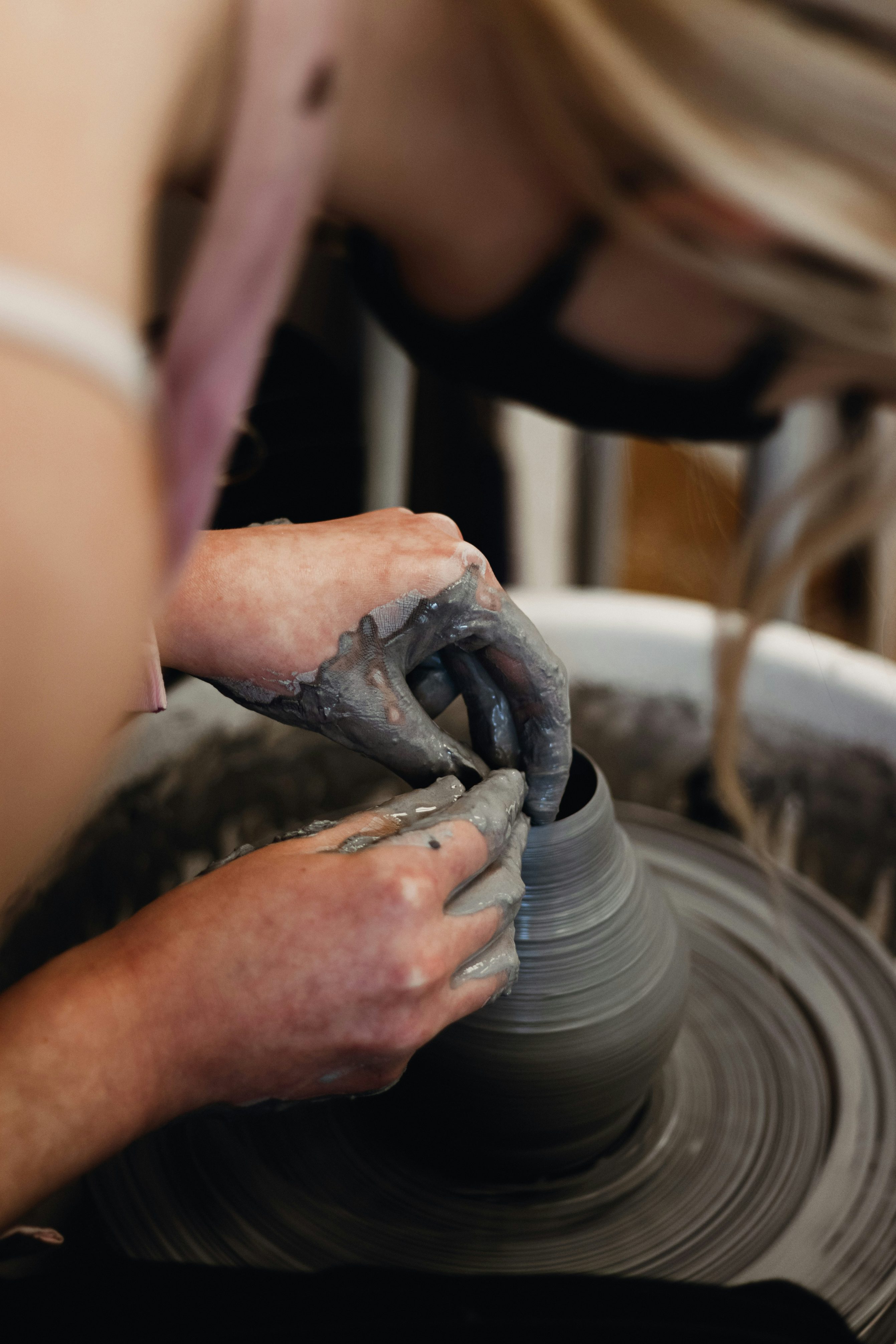

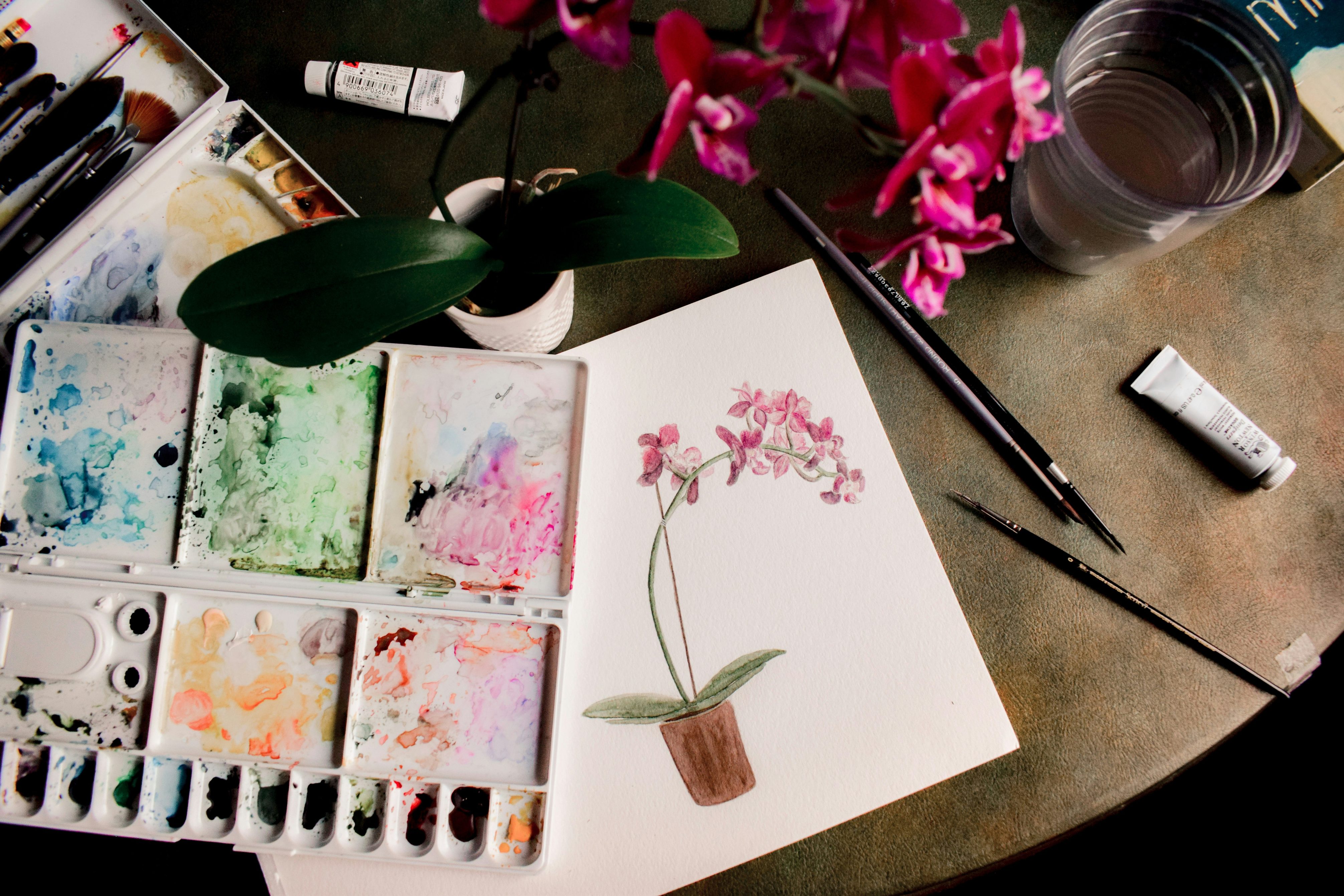
Begin with small, low-pressure experiments instead of major commitments, such as online courses or local workshops, to explore interests without triggering perfectionism. Create learning environments that fit your current life, such as short sessions, self-paced options, or integrating learning into routines. Connect with women who share your growth commitment for support, accountability, and inspiration, helping to normalize lifelong learning against societal messages.
The Impact of Your Learning Journey on Others
Choosing ongoing learning after 40 inspires others, especially younger women, to challenge age and learning stereotypes. Your example reshapes cultural views about women’s potential and fosters a supportive environment. It also enriches your relationships and community, energizing interactions and reinforcing your growth commitment.
Your commitment to lifelong learning becomes part of your legacy, showing family, friends, and colleagues that growth has no expiration date. For women navigating midlife, it proves that curiosity and discovery are ongoing. Your journey also shifts cultural views, highlighting the value of women over 40. Challenging age-related learning assumptions encourages other women to do the same.
Your Next Chapter Starts Now
Most women stop learning after 40, not due to biology, intelligence, or practicality, but because of psychological conditioning. This creates artificial limits based on false beliefs. Once you see this, you regain the power to shape your story about what’s possible at any age. Your forties and beyond can be your most exciting learning years, driven by confidence, experience, and personal meaning rather than obligation or external pressures.
The question isn’t whether you’re too old to learn, but what to explore first. This is an invitation to reconnect with your curiosity, waiting for permission to emerge. Your mind hasn’t lost its capacity for growth; it’s been waiting for you to recognize its potential.
Take a moment to think of one subject that has always intrigued you but you’ve dismissed as “too late” to pursue. What would it feel like to explore it? What small, enjoyable step could you take this week? Whether it’s refining your style, creating a reflection of who you’re becoming, exploring creativity, or diving into fascinating subjects, remember that every expert was once a beginner, and every start promises transformation. Your learning renaissance awaits; start now.